


Many drivers choose rims based on style alone—but rim size affects much more than appearance. Here are the most important areas influenced by rim size:
Handling and Stability
Larger rims typically allow for lower-profile tires, which improve cornering but can reduce ride comfort. Smaller rims paired with thicker tires often absorb bumps better, ideal for rougher Missouri roads.
Fuel Efficiency
Bigger wheels weigh more, which can require more engine power and reduce fuel economy. A lightweight rim that matches your factory size generally delivers the best balance.
Braking Performance
Larger rims may accommodate bigger brake systems—but only if your vehicle is designed for it. Installing rims that are too small may result in clearance issues with modern brake calipers.
Tire Wear
Improper rim width and offset can stress the tire, causing early wear, cupping, or sidewall damage.
Safety
The wrong rim size can cause steering instability, vibration, or interference with suspension components—all of which put you at risk while driving.
Choosing the correct size ensures your vehicle performs as the manufacturer intended.
Factory Rim Sizes: Why They Matter
Every vehicle comes with a recommended rim size from the manufacturer. These sizes are chosen to optimize performance, fuel economy, and safety. While upgrading or changing rim size is common, straying too far from factory specs can lead to:
- speedometer inaccuracies
- increased stopping distance
- alignment issues
- stress on suspension components
- decreased fuel economy
A good rule of thumb is to stay within 1–2 inches of your vehicle’s factory rim diameter unless you’re replacing the whole wheel–tire setup with a professional’s guidance.
Upgrading Rim Sizes: What You Need to Know Before You Change
Many drivers choose to upgrade rims for a more aggressive or stylish look. However, it’s important to understand the consequences and requirements of moving to a larger or smaller size.
Going Bigger (Plus-Sizing)
This is when drivers install larger rims with lower-profile tires to keep the overall tire diameter consistent.
Pros:
- Sportier appearance
- Improved cornering
- Better steering response
Cons:
Rougher ride
- Higher risk of rim damage on potholes
- More expensive tire replacements
- Going Smaller (Minus-Sizing)
Some drivers downsize rims, especially in winter, to use bulkier tires that better absorb road impacts.
Pros:
- Smoother ride
- Better winter traction
- Cost-effective
Cons:
- May reduce steering precision
- Less sporty appearance
- Either way, the overall diameter of the wheel + tire combo must remain close to the original size to protect your transmission, brakes, and speedometer accuracy.
How to Tell What Rim Size You Need
There are a few easy ways to determine the right rim size for your vehicle:
- Check the Owner’s Manual
- Your manufacturer lists the approved rim sizes and fitment ranges.
- Look at the Tire Sidewall
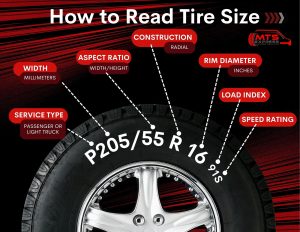
- A tire like 235/55R18 means the rim size is 18 inches.
- Check the Back of the Rim
- Most factory rims have the size stamped on the inside.
Ask a Professional (Like MTS Express)
Mobile tire experts can quickly check your current rim and tire setup and recommend the correct size before replacing, repairing, or upgrading.
Common Rim Size Problems We See at MTS Express
Because we provide mobile tire and rim services, we run into rim size issues more often than you might think. Some of the most common include:
- Tires mounted on rims that are too wide or too narrow
- Aftermarket rims rubbing on struts or fenders
- Wrong bolt patterns that cause shaking
- Oversized wheels causing premature suspension wear
- Incorrect offset leading to steering problems
These issues are preventable simply by choosing the right rim size from the start.
Final Thoughts: Choose Rim Sizes With Safety in Mind
Choosing the correct rim size isn’t just about looks—it’s about safety, fuel efficiency, performance, and long-term vehicle health. Whether you’re replacing a damaged rim, upgrading your wheels, or trying something new, always make sure your rim size matches your vehicle’s needs.
If you’re unsure what size you need, MTS Express can help. Our mobile team can inspect your current setup, identify rim size problems, and ensure you get the right fit—without ever leaving your driveway.






Leave a Reply